Decoding the Closing Shift Ending Meaning: Theories and Story Analysis
Explore the chilling narrative of Chilla's Art's psychological horror game and uncover the true closing shift ending meaning with our in-depth guide.
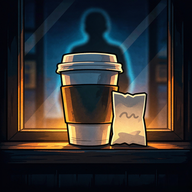
Chilla’s Art has earned a legendary reputation in the indie horror scene for transforming mundane, everyday jobs into spine-chilling psychological nightmares. For horror fans diving into this atmospheric thriller, uncovering the true closing shift ending meaning has become a major obsession since its release. The game places you in the shoes of a young woman working late hours at a quiet coffee shop, where ordinary customer interactions slowly devolve into a terrifying stalker ordeal. To fully appreciate this psychological descent, we must examine the plot details, player choices, and various fan theories surrounding the closing shift ending meaning.
Overview of The Closing Shift Narrative
The narrative begins innocently enough as our protagonist rushes to her late shift at Chilla’s Coffee. On her way, she encounters a lost phone and a strange man searching the parking lot. Once inside the shop, her stern colleague scolds her for being tardy, setting up a seemingly normal routine of making drinks, cleaning, and closing up.
However, the atmosphere quickly sours. A private investigator warns her about rising stalker cases in the area. Over subsequent shifts, increasingly bizarre customers enter the shop—including a topless man quoting laws, men asking for her phone number, and unsettling figures lurking outside.
Breaking Down Core Theories
Because Chilla's Art leaves much of its narrative open to interpretation, the community has built several compelling frameworks to explain the events. When evaluating the closing shift ending meaning, players usually look at three primary hypotheses regarding the protagonist, her coworkers, and the stalkers.
The Law Student Hypothesis
According to community reports and player experience, the protagonist’s distinct dialogue options suggest an academic background. When confronted with an erratic, shirtless customer dancing in the store, she confidently recites Penal Code Article 174 to demand he stop. This specialized knowledge reinforces the idea that she is an observant law student trying to make ends meet through night shifts.
The Suspicious Senpai Argument
Another prominent discussion centers around her coworker. He frequently berates her, laughs off her fears of being stalked, and wears a protective mask when no one else does. Some players theorize he uses the restaurant ventilation system to sneak in and out, observing her movements while pretending to be an ordinary colleague.
Analyzing the Final Confrontation and Twist
The climax of the game forces players to make split-second survival choices after discovering a hidden living space on the roof containing a mattress and obsessive photos of the protagonist. When the stalker corners her, the player can choose between using a screwdriver to escape through the bathroom vent, fleeing outside, or heading to the roof.
Choosing the rooftop path leads to a grim discovery: the private investigator is already dead. The protagonist manages to drop a cinder block onto the stalker's head, knocks him out, and contacts the police. She returns home believing the nightmare is finally over. However, the closing moments subvert all expectations when a phone call lures her to the door, only for a cupboard to slowly open to reveal the stalker waiting inside.
Decoding the Closing Shift Ending Meaning
To fully understand the closing shift ending meaning, we have to look past the literal jumpscares and examine the psychological underpinnings of urban isolation. The game does not offer a triumphant survival narrative. Instead, the final scene reinforces a bleak thematic truth: trauma and paranoia cannot simply be shaken off by defeating a single attacker.
When searching for the definitive closing shift ending meaning, many players conclude that the protagonist's entire ordeal highlights the terrifying vulnerability of working alone at night. The sudden shift from a perceived victory back to a fatal ambush signifies that urban dread does not end neatly. For gamers interested in exploring similar atmospheric titles, you can check out the official Steam Store Page for Chilla's Art to explore their full catalog of psychological horror games.
Community Insights and Player Experiences
Community discussions frequently emphasize how the game uses environmental storytelling to build tension. Every spilled milk carton, misplaced item, and shadowy figure outside the glass storefront adds to the oppressive atmosphere. Player experience indicates that the dread stems less from gore and more from the agonizing anticipation of what happens next during routine closing duties.
Frequently Asked Questions (FAQ)
What is the primary closing shift ending meaning?
The closing shift ending meaning symbolizes the inescapable nature of urban anxiety and trauma. Even after the protagonist thinks she has defeated her attacker, the final jump scare demonstrates that paranoia and danger linger long after closing time.
Is the entire game a nightmare sequence?
While some fan theories suggest that the surreal events and impossible timelines indicate a dream, the developer frames the narrative as a chilling psychological thriller grounded in real-world fears of stalking.
Does the game have multiple endings?
The game features different tactical choices during the climax—such as escaping through the vents or visiting the roof—which lead to distinct immediate encounters, though all paths ultimately converge on a tragic, ambiguous conclusion.
Related Guides
Decoding the Chilla's Art Closing Shift Lore: A Complete Story Breakdown
Explore the terrifying closing shift lore from Chilla's Art. Uncover the psychological horror, hidden stalker details, and chilling endings explained.
The Closing Shift Explained: Story, Chills, and Hidden Meanings
Dive deep into Chilla's Art psychological horror masterpiece. Get the complete closing shift explained, including plot twists and endings.
The Closing Shift Plot Explained: Unraveling the Chilla's Art Psychological Horror
Dive deep into the terrifying psychological horror of Chilla's Art with our complete closing shift plot explained, covering all endings and lore.
Unraveling the Closing Shift Story: A Deep Dive Into Chilla's Art Psychological Horror
Explore the eerie closing shift story in Chilla's Art psychological horror hit. Discover narrative breakdowns, character encounters, and endings.