The Closing Shift Explained: Story, Chills, and Hidden Meanings
Dive deep into Chilla's Art psychological horror masterpiece. Get the complete closing shift explained, including plot twists and endings.
Working late-night retail or food service jobs can feel isolating, but few games capture that specific dread quite like Chilla's Art's psychological masterpiece. When looking for the ultimate closing shift explained, players often find themselves trapped in a web of escalating paranoia, creepy notes, and relentless stalking. Understanding the dark narrative beneath this indie hit is essential for horror fans trying to make sense of its terrifying psychological undertones. Let's dive right into a comprehensive closing shift explained guide to uncover what truly happens during these eerie graveyard hours.
The Premise and the Weight of Reality
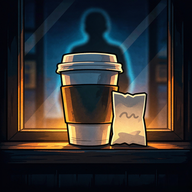
The narrative follows a young female protagonist working solo shifts as a barista at a local coffee shop. Set against a backdrop of rising harassment and stalking cases in the city, the atmosphere is dripping with tension from the very first minute. She isn't working these grueling hours out of passion; economic necessity forces her to endure low wages, difficult coworkers, and a precarious living situation.
According to community reports, the game brilliantly mirrors real-world anxieties about urban isolation and employment vulnerability. You can check out more details on the official Chilla's Art Steam Hub to see how the developers crafted this atmospheric nightmare.
Escalating Encounters at Chill's Coffee
As the shifts progress, the protagonist interacts with a bizarre cast of characters who heighten her sense of unease. From rude coworkers threatening to report her to the manager, to erratic customers displaying unsettling behaviors, every interaction feels loaded with danger.
These encounters lay the groundwork for why a thorough closing shift explained analysis must look past surface-level jumpscares and examine the deep-seated dread of being watched.
The Core Mystery: Closing Shift Explained Through Paranoia
A proper closing shift explained breakdown requires examining how the protagonist's mental state deteriorates. She begins receiving unsettling notes left by someone claiming to know her intimately—marking the anniversary of the day they first "met."
- The Surveillance Factor: Finding photographs of herself taken from outside the shop triggers severe anxiety.
- The Storage Room Clues: Discovering a makeshift bed and empty milk cartons on the roof confirms someone has been living right above her workspace.
- The Gaslighting Effect: When coworkers and police dismiss her fears, she is left entirely on her own to survive.
Player experience consistently highlights how these subtle environmental storytelling elements make the terror feel intensely personal and claustrophobic.
Unraveling the Twists and Nightmares
The narrative plays heavily with the player's perception of reality. At one point, the protagonist endures a terrifying sequence where shadowy figures demand service against a strict countdown timer, only for it to be revealed as a stress-induced nightmare.
However, the real horror strikes when the private investigator turns up dead on the roof. Left with no choice after being cornered, she defends herself with a cinder block, believing she has killed her attacker. Yet, when police investigate, the body vanishes, leaving her questioning her own sanity.
Survival Strategies and Player Experience
Surviving the harrowing ordeal requires mastering the daily tasks while managing the dread of what lurks outside the glass windows. Community reports emphasize the importance of quick cleaning routines and remaining hyper-aware of audio cues.
Ultimately, any comprehensive closing shift explained piece must acknowledge that escaping the physical location does not free the protagonist from her trauma. The chilling final moments confirm that the stalker was waiting inside her apartment all along, sealing her inescapable doom.
Frequently Asked Questions
What is the main plot of The Closing Shift?
The story follows a young female barista working solo night shifts who becomes the target of an obsessive, invisible stalker, leading to intense psychological terror and paranoia.
How does the game handle multiple endings?
The narrative primarily focuses on a grim, linear conclusion where the protagonist's attempts to escape her stalker ultimately fail, emphasizing the helpless nature of her terrifying situation.
Why is getting a complete closing shift explained important for players?
Because the game relies heavily on psychological horror, symbolism, and unreliable narration, looking at a detailed closing shift explained helps players untangle the overlapping layers of dreams, trauma, and real-world threats.
Is The Closing Shift based on a true story?
While fictional, Chilla's Art designed the game to reflect very real, frightening modern anxieties regarding urban safety, harassment, and workplace isolation.
Related Guides
Decoding the Chilla's Art Closing Shift Lore: A Complete Story Breakdown
Explore the terrifying closing shift lore from Chilla's Art. Uncover the psychological horror, hidden stalker details, and chilling endings explained.
Decoding the Closing Shift Ending Meaning: Theories and Story Analysis
Explore the chilling narrative of Chilla's Art's psychological horror game and uncover the true closing shift ending meaning with our in-depth guide.
The Closing Shift Plot Explained: Unraveling the Chilla's Art Psychological Horror
Dive deep into the terrifying psychological horror of Chilla's Art with our complete closing shift plot explained, covering all endings and lore.
Unraveling the Closing Shift Story: A Deep Dive Into Chilla's Art Psychological Horror
Explore the eerie closing shift story in Chilla's Art psychological horror hit. Discover narrative breakdowns, character encounters, and endings.